The Emotional Weight of the Narrative
There is a deep emotional charge behind the idea that African people “sold themselves” into slavery, and it is understandable why that statement provokes a strong reaction. It feels like an accusation that shifts blame onto the victims of one of the greatest crimes in human history. That reaction is not only emotional, it is rooted in a desire for truth and dignity. But when we approach history, especially something as complex as the transatlantic slave trade, we have to move carefully. We cannot replace one oversimplification with another, even if the intention is to correct harm. The reality is more layered, more uncomfortable, and more revealing. It involves power, coercion, economic systems, and human choices made under pressure. To understand it clearly is not to weaken the truth, but to strengthen it. Because clarity gives us a firmer foundation than outrage alone.
European Expansion and the Demand for Labor

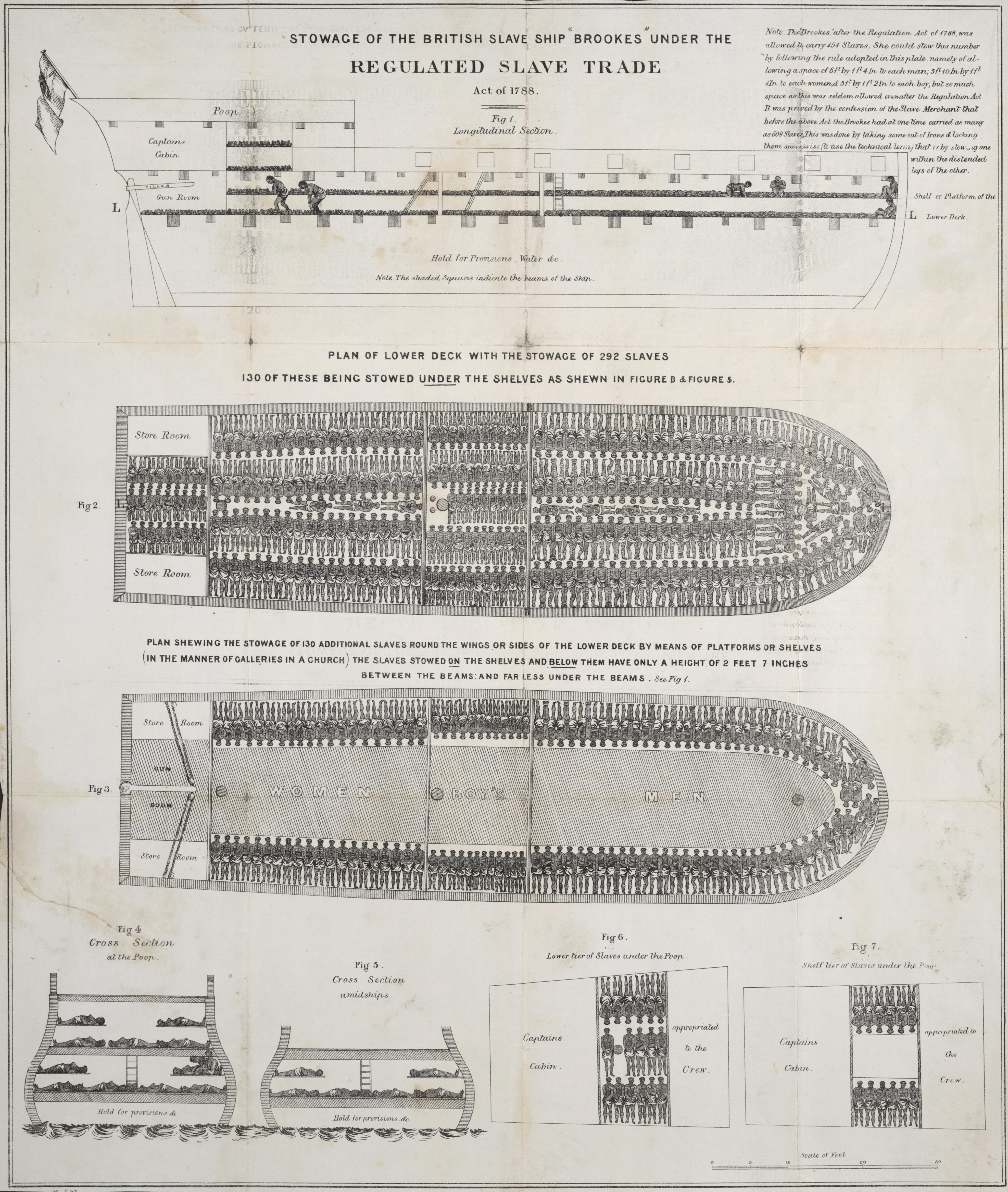
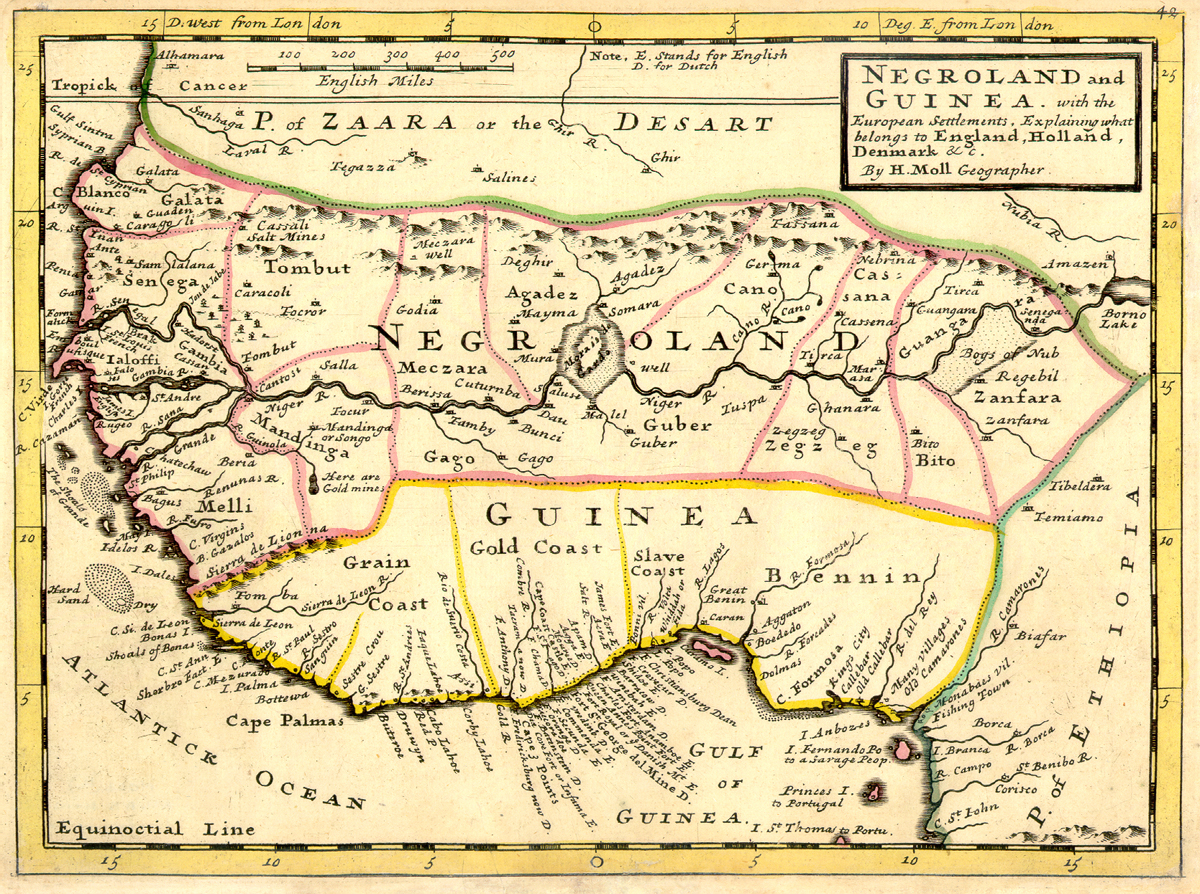
European empires like France, the Netherlands, and the United Kingdom pushed outward into Africa and the Americas starting in the 15th century. They were not exploring for curiosity—they were looking for land, resources, and labor. The plantation system in the Americas needed a large, controlled workforce to keep it running. Indigenous populations had already been weakened and reduced by disease and violence. European labor was limited, expensive, and not suited to the conditions they were building. That gap created a demand that would reshape entire parts of the world. European powers built the ships, financed the voyages, and laid out trade routes that moved people as cargo. This was not something that just happened—it was organized, intentional, and driven by profit. Ports were built, ships were designed, and even insurance systems were created to protect the business of human trafficking. The structure of the transatlantic slave trade was largely controlled and maintained by European systems. When you step back and look at it whole, you see it for what it was—a deliberate machine built to turn human lives into economic gain.
The Role of Coastal Forts and European Control


Structures like Elmina Castle and Gorée Island were built and controlled by European powers. They were not African-built systems of mass export but part of a larger European trade network set up along the coast. Inside those walls, Africans were held and confined before being forced onto ships crossing the Atlantic. These forts were designed for one purpose, and that purpose was profit through human cargo. The ships, the money behind them, and the coordination across countries all came from European systems. What still stands today is not just stone, but evidence of how organized and deliberate that system was. Those structures were not signs of African control, but markers of European power planted along the coastline. They show where authority shifted and where decisions were being made. But those forts did not operate in isolation. They depended on networks deeper inland that supplied the people who were captured. That is where the story becomes more layered and harder to look at straight. Once you follow that path inland, you begin to see how complex and far-reaching the system really was.
African Societies and Internal Dynamics
Before Europeans arrived, African societies already had forms of conflict, captivity, and slavery. But those systems were not the same as the racialized chattel slavery that later took hold in the Americas. Many captives were prisoners of war, debtors, or people who were eventually absorbed into the community. It was not a system built to strip a person of identity for generations. When European traders entered the picture, everything began to shift. The introduction of firearms, trade goods, and new economic pressures changed the scale of conflict. What had been limited became wider, harsher, and more destructive. Some African leaders and intermediaries did take part in capturing and selling people. Sometimes it was out of pressure, sometimes competition, and sometimes a way to survive in a changing world. That participation is part of the truth, but it cannot be separated from the conditions that shaped it. It was not a single African decision, and it did not carry the same power as European demand and control. Different regions and groups responded in their own ways—some resisted, some adjusted, and some were pulled in. When you look at it closely, you see a system of unequal forces colliding, not a simple story of betrayal.
Coercion, Violence, and Economic Pressure


The arrival of European weapons and trade shifted the balance in ways that could not be ignored. Firearms gave certain groups an advantage, and access to those weapons often depended on taking part in the trade. That created a cycle where violence began to feed itself. Communities found themselves facing choices that were harsh and often unforgiving. In some cases, refusing to engage left them open to attack. In others, leaders chose power or survival over unity. These were real decisions, made under real pressure. But those pressures did not come out of nowhere—they were shaped by outside demand. European traders were not standing on the sidelines; they were active in creating and benefiting from these conditions. Still, it would not be honest to say every action was forced or unwilling. Human behavior does not move in clean lines like that. What you see instead is a system where power, profit, and survival crossed paths in ways that left lasting damage.
Responsibility Without Distortion
The danger in this conversation is leaning too far to one side or the other. Saying Africans “sold themselves” ignores the power, demand, and system built by Europeans. But saying Europeans controlled every single part leaves out the role, however limited, of African actors. The truth sits somewhere in between, and it is not an easy place to stand. European empires created and drove a global system of exploitation on a scale the world had not seen before. They built the ships, financed the trade, and took the greatest share of the profit. That structure carried the weight of the system. At the same time, some African intermediaries became part of it for different reasons—pressure, strategy, or self-interest. Those choices were real, even if they were shaped by unequal power. Recognizing that does not mean placing equal blame on both sides. It means looking at the full picture without turning away from what is uncomfortable. And when you see it whole, you begin to understand how a system like that could last as long as it did.
Why This Conversation Still Matters
This is not just about the past, it is about how history is remembered and taught. Narratives shape identity, and identity shapes action. When history is simplified, it can either erase responsibility or misplace it. For people seeking truth and empowerment, accuracy matters more than comfort. Understanding the structure of the transatlantic slave trade reveals how global systems of power operate. It also shows how division, pressure, and incentives can fracture communities. These lessons are not limited to history, they apply to the present. The more clearly we understand the past, the better equipped we are to navigate what comes next.
Summary and Conclusion
The transatlantic slave trade was a complex system, driven largely by European demand, financing, and global organization. You can still see that control in places like Elmina Castle, where the evidence stands in stone. But there were also internal African dynamics shaped by pressure, conflict, and shifting incentives. Those forces played a role in how the system moved and functioned. It would be wrong to say Africans willingly sold themselves as one people. It would also be incomplete to say Europeans acted without any local involvement. The truth sits in the space where power, economics, and human behavior meet under unequal conditions. This is not about dividing blame evenly. It is about understanding the structure that made it all possible. When we approach it with clarity instead of oversimplifying it, we respect what really happened. And in doing that, we protect the integrity of the history instead of reshaping it to fit one easy story.