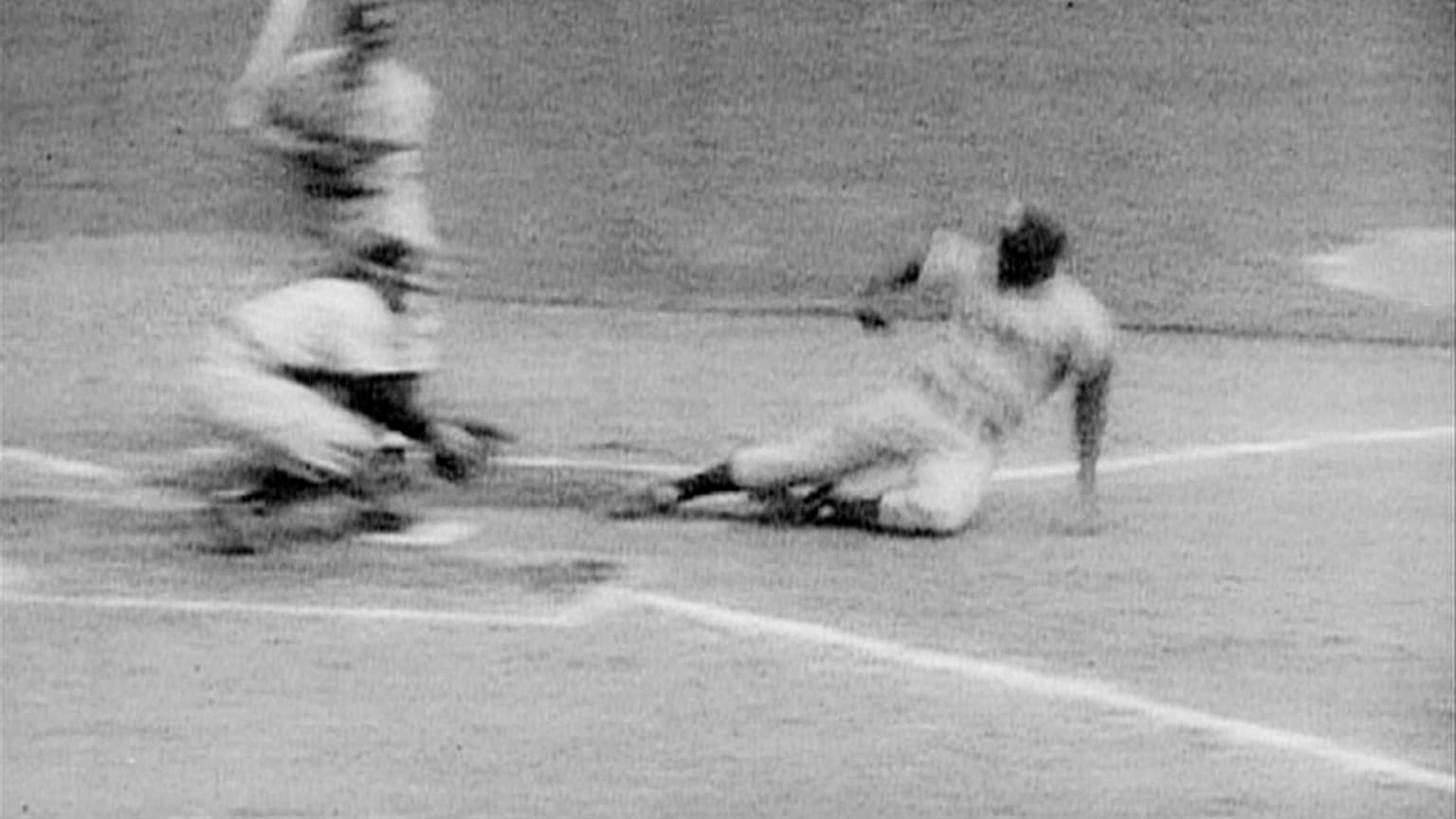
Most people know Jackie Robinson as the man who broke Major League Baseball’s color barrier in 1947. That achievement alone reshaped American sports and challenged segregation on a national stage. But what often gets overlooked is that baseball was only one chapter of his life. Robinson was not just an athlete, he was a strategist, an activist, and a builder of institutions. His influence extended far beyond the field and into the economic and social structures that shaped Black life in America. When you step back and look at his full story, it becomes clear that his mission did not end when he retired from baseball. In many ways, that is when his broader work truly began. The public remembers the uniform, but the deeper legacy is found in what he built afterward. That is the part many people are just now discovering.
Pioneer


Breaking Barriers in Corporate America


After retiring in 1957, Robinson stepped into a different kind of arena: corporate America. He joined Chock Full o’ Nuts as Vice President of Personnel, becoming one of the first Black executives at that level in a major U.S. corporation. This was not symbolic, it was structural. At a time when corporate leadership was overwhelmingly white, Robinson was making decisions that affected hiring, workplace conditions, and opportunity. He pushed for fair employment practices and advocated for minority workers within the company. He understood that economic access was just as important as social visibility. His role was not about title alone, it was about influence. While some sources debate whether he was the absolute first Black vice president in corporate America, there is no question that he was a pioneer at that level. He spent seven years there, proving that leadership and equity could exist in the same space.
Building Financial Power in the Black Community


4In 1964, Robinson helped co-found Freedom National Bank in Harlem. This was a direct response to the systemic exclusion Black people faced in traditional banking institutions. The bank provided mortgages, personal loans, and credit to people who had been routinely denied those opportunities. This was not charity, it was empowerment. Robinson understood that ownership and access to capital were key to long-term progress. Under his leadership, the bank grew into one of the largest Black-owned financial institutions in New York State. It became a cornerstone for economic development in Harlem. Though the bank later faced challenges and eventually closed, its impact during that time was real and meaningful. It represented a model of self-determination in a system that often denied it.
Expanding Into Media and Housing
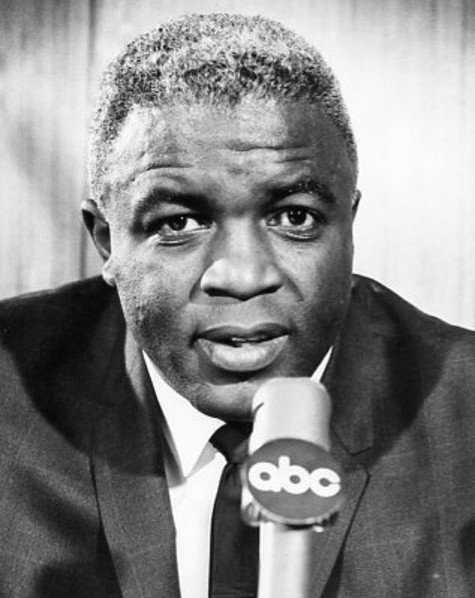


Robinson continued breaking ground in other industries as well. In 1965, he became the first Black television analyst for Major League Baseball on ABC, bringing his voice into sports media. That mattered because representation in commentary shapes how stories are told and understood. He did not stop there. In 1970, he launched a construction company focused on affordable housing, particularly for low- and moderate-income families. His company built over 1,600 housing units, many in Brooklyn, addressing a critical need in urban communities. What stands out is that much of this work was done without relying heavily on government funding. Robinson was not waiting for systems to change, he was creating alternatives within them. Each move he made was tied to a larger purpose. He was building access where it did not exist.
A Life Aligned With Purpose
What makes Robinson’s story powerful is not just what he did, but how consistent he was in doing it. From baseball to business to banking to housing, his actions followed a clear line. He was committed to equality, not just in words, but in structure. He understood that civil rights had to include economic rights. His work reflected a deep awareness of how systems operate and how they can be challenged. He did not separate his success from his responsibility. Instead, he used every platform he had to push forward. That kind of alignment is rare. It shows a level of discipline and clarity that goes beyond individual achievement.
Why This Part of His Story Is Less Known
There is a reason many people are just learning about this side of Robinson. History often simplifies figures into a single defining moment. For Robinson, that moment is breaking the color barrier in baseball. That story is easier to tell and easier to celebrate. But the fuller story requires a deeper look at economics, policy, and long-term impact. It asks more of the listener. It also challenges the idea that progress stops at visibility. Robinson’s life shows that visibility is only the beginning. The real work happens in what you build after doors are opened.
What His Legacy Teaches Us Today
Robinson’s life offers a blueprint that still applies. Representation matters, but it must be followed by ownership and access. Progress is not just about being seen, it is about having the power to shape outcomes. He showed that success in one area can be leveraged to create change in others. He also showed that systems can be challenged from within and outside at the same time. His legacy reminds us that true impact is layered. It is built over time through consistent action. And it requires a willingness to move beyond comfort into responsibility.
Summary and Conclusion
Jackie Robinson was more than the man who broke the color barrier in Major League Baseball. When you look closer, you see a man who kept building long after the game was over. He moved into business, helped build financial institutions, stepped into media, and worked on housing that could uplift communities. His work with Chock Full o’ Nuts and the founding of Freedom National Bank showed he understood the importance of access and ownership. He knew real progress meant having a stake in what you build and control over what you earn. He wasn’t chasing titles—he was working toward something bigger. That purpose stayed steady, whether he was in uniform or in a boardroom. History often stops at what he did on the field, but that’s only part of the story. When you take it all in, you realize his greatest work may have come after the cheers faded.