The Version We Were Taught
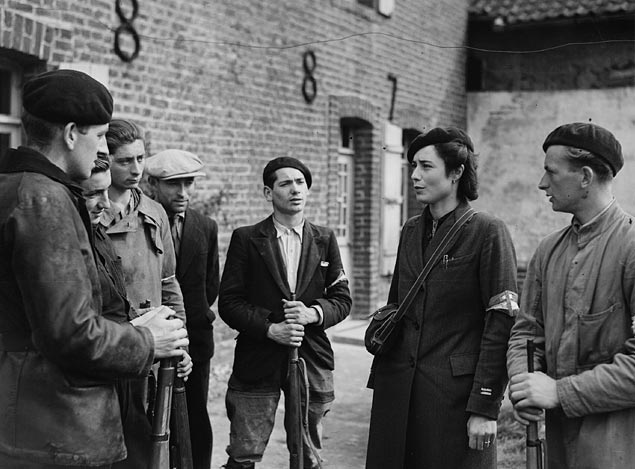
Most of us learned about the French Resistance through a narrow lens. The images were familiar and comfortable: white men in berets, cigarettes hanging from their lips, quiet bravery framed as a purely European uprising. It was taught as a clean story of national pride and unity. What rarely entered the lesson was how colonial power shaped who could be remembered and who could not. The narrative left no room for contradiction. It certainly left no room for a Black man leading white French fighters under Nazi occupation. That omission was not accidental. It was structural.


Born a Colony Before Becoming a Soldier
Ali (often remembered locally as Adiba) Mamadou was born in 1916 in Guinea, then a French-controlled colony. Before France ever called him a defender of freedom, it claimed him as property of empire. When World War II began, France leaned heavily on colonial troops, particularly the Senegalese Tirailleurs. These Black soldiers were asked to fight for a country that denied them full humanity. Mamadou volunteered anyway, serving in the 12th Regiment. Like many others, he was essential when France needed bodies and disposable once France collapsed. That contradiction followed him everywhere.
Collapse and Choice
In June 1940, French forces fell, and Mamadou’s unit was surrounded by German troops. Many were captured. He escaped. This is the moment where most official stories would end or redirect him back into anonymity. But Mamadou did not disappear, return home, or wait quietly for liberation. He stayed in occupied France. He took refuge in a small village where everyone knew exactly who he was. The mayor knew. Local officials knew. Even the police knew. And instead of turning him in, they protected him.
Resistance Built in Plain Sight
Officially, Mamadou was listed as a farm worker. Unofficially, he was building a resistance network. He connected with another revolutionary, and together they organized civilians who refused submission. Mamadou did not just assist an existing movement. He built something new. He helped smuggle Jewish people and other targeted individuals toward Switzerland. He recruited more than one hundred young French men who refused Germany’s compulsory labor service. These men, raised inside a racial hierarchy that labeled him inferior, took direction from him anyway. That fact alone explains why his name was buried.
The First Maquis of the Region
Mamadou went further. He established the first maquis in the region, known as the Camp de la Délivrance. Picture the reality of that moment. Nazi patrols everywhere. Fear woven into daily life. And more than a hundred armed French civilians organized under the leadership of a Black man born in a colony. This was not symbolic resistance. It produced results. It disrupted German control. And it exposed a truth France was not ready to face about who could lead and who could liberate.
Arrest, Torture, and Execution
In July 1943, German forces discovered the camp. It was dismantled. Mamadou was arrested. He was tortured. He was condemned. On December 18, 1943, he was executed by firing squad. He was twenty-six years old, one week shy of his twenty-seventh birthday. His death was not quiet, but the silence afterward was intentional. After the war, France celebrated the Resistance with medals, parades, and monuments. His name was missing. The record is blunt about why. He was not recognized as a resistance hero because of his ethnic background.
Recognition Only After the Danger Passed
Mamadou’s memory survived locally, carried by villagers and those who knew what he had done. France did not officially honor him until 2003, nearly sixty years later. By then, the threat his story posed had faded. The empire had shifted form. The lie no longer needed such aggressive maintenance. This was not a missing chapter discovered late. It was a chapter deliberately withheld until it no longer challenged the image France wanted to protect.
Summary
Ali Mamadou’s story disrupts the sanitized version of the French Resistance. He was born into colonial rule, fought for France, escaped capture, and chose resistance over safety. He built networks, saved lives, recruited fighters, and created the first maquis in his region. He led white French men under Nazi occupation and paid for it with his life. His exclusion from official history was not oversight. It was design. His eventual recognition came only when it was no longer dangerous.
Conclusion
Black resistance does not disappear because it failed. It disappears because it worked. It complicates power’s preferred story and exposes the fragility of racial hierarchies under pressure. Ali Mamadou did not just resist occupation. He resisted erasure for as long as he could. Remembering him is not about filling in a gap. It is about correcting a lie that was carefully maintained.