Understanding the Role of Fascia in the Body
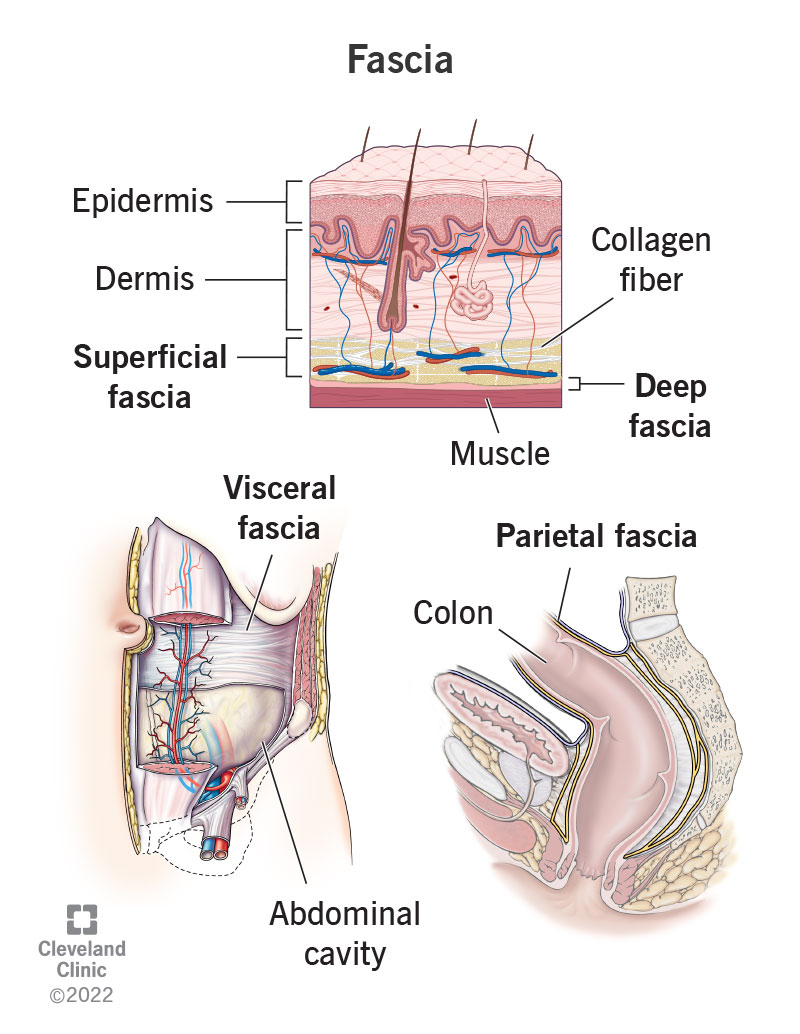
Giving fascia the care it needs can dramatically improve blood flow, reduce pain, and restore freedom of movement. Fascia is an intricate web of connective tissue that surrounds and supports every muscle, bone, joint, nerve, and organ in the body. It is not just packing material; it is a living, responsive system that helps coordinate how the body moves as a whole. When fascia is healthy, it is smooth, hydrated, and elastic, allowing tissues to glide over one another with ease. This glide is what makes movement feel light, fluid, and natural. Over time, stress, inactivity, repetitive movement, injury, or emotional tension can change its texture. Instead of staying supple, fascia can become dry, sticky, and restricted. When that happens, pain often shows up in places that don’t seem to make sense.


When Pain Comes From Beneath the Muscles
Many people assume stiffness and discomfort always come from tight muscles, but fascia is often the deeper source of the problem. Because fascia connects everything, tension in one area can pull on another area far away. This is why pain in the lower back might be influenced by tight hips or restricted feet. When fascia loses its ability to glide, it limits movement and creates a sense of internal resistance. The body then compensates by overworking certain muscles, which increases fatigue and discomfort. This cycle can continue quietly for years, gradually reducing mobility and increasing sensitivity. Understanding fascia helps explain why stretching alone sometimes feels ineffective. If the tissue beneath the muscle is restricted, the muscle itself cannot fully relax.
How Myofascial Release Restores Natural Movement
Myofascial release works by giving fascia the gentle input it needs to soften and reorganize. Instead of forcing a stretch or pushing through pain, this approach uses slow, steady pressure to encourage change. Tools like foam rollers or small massage balls allow you to target areas that feel tender, dense, or stuck. When you apply pressure and pause, you give the nervous system time to relax its protective response. Breathing slowly during this process helps signal safety to the body. Little by little, the fascia begins to spread, hydrate, and regain elasticity. The sensation often shifts from sharp or uncomfortable to warm, open, and relieved.
The Long-Term Effects of Consistent Fascia Care
With regular practice, the benefits of myofascial release continue to build. Blood flow improves as compressed tissues regain space and circulation returns. Tension eases because the body no longer has to brace against internal restriction. Movement becomes smoother, and everyday activities start to feel easier and less guarded. Over time, posture often improves without conscious effort because the body naturally rebalances itself. Just as important, people often report feeling more connected to their bodies. Pain becomes information rather than something to fight against. This change in awareness can reduce fear around movement and prevent future injury.
Summary and Conclusion
Fascia plays a quiet but powerful role in how the body feels and moves. When it is neglected, pain, stiffness, and limitation often follow, even if the muscles seem strong and flexible. Myofascial release offers a gentle, effective way to restore this tissue without force or strain. By using slow pressure, patience, and breath, you allow the body to heal itself from the inside out. Over time, movement becomes freer, pain decreases, and circulation improves. Perhaps most importantly, you develop a more respectful relationship with your body. Instead of pushing through discomfort, you learn to listen, respond, and support healing. Sometimes, that simple shift is what makes the greatest difference.