The Book Everyone Finds Strange—but Rarely Questions
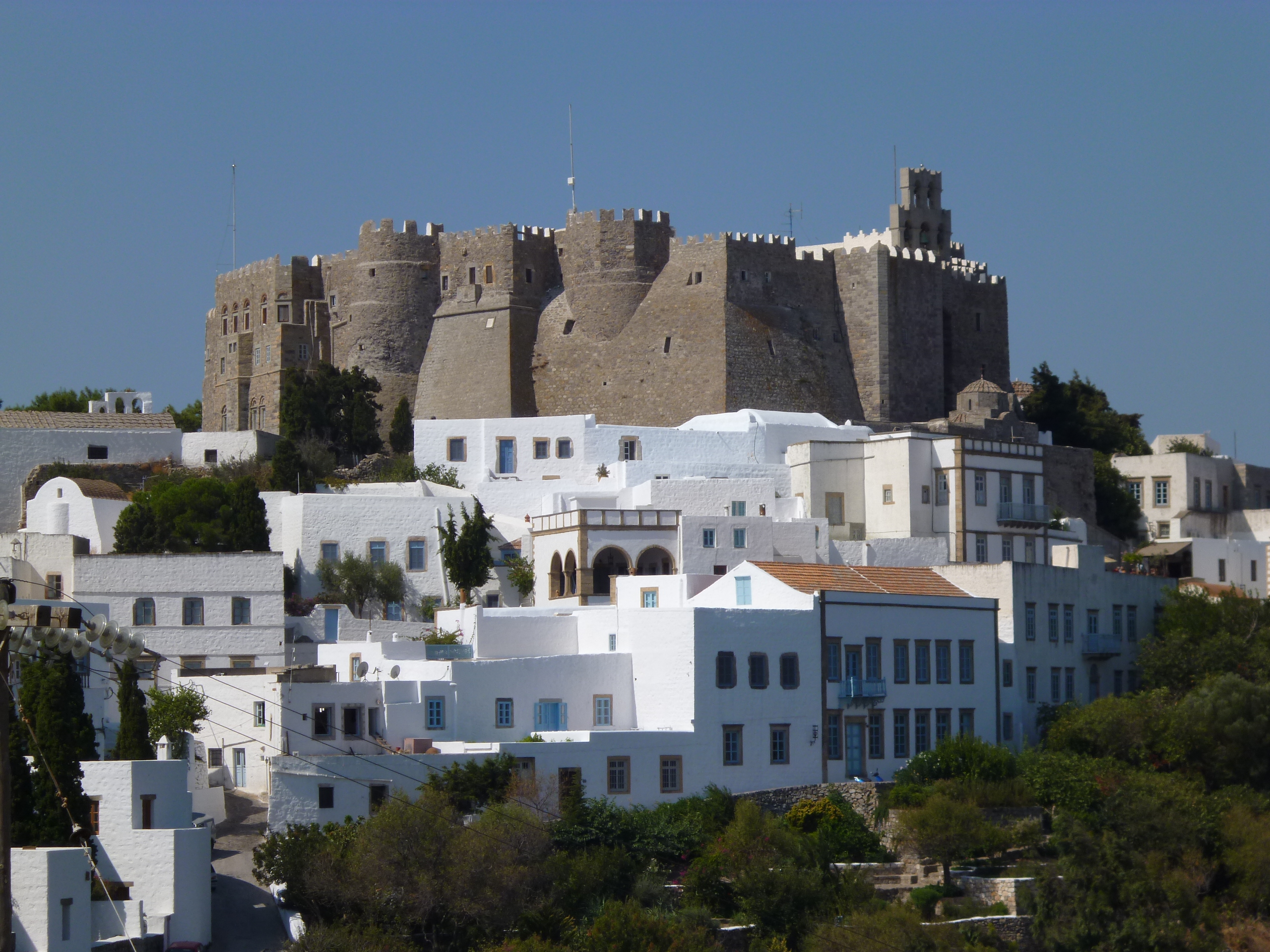
The last book of the Bible, the Book of Revelation, is often treated as mysterious and almost untouchable. Many people debate its symbols, fear its prophecies, and argue over what it really means. Very few stop to ask who preserved the book or how it survived through history. Tradition says it was written by John of Patmos while he was exiled on the Island of Patmos. That exile was a Roman punishment meant to isolate and silence him. What is often left out is that this isolation placed John far from European centers of power. Instead, it placed the book within the eastern and African Christian world, where early believers were actively living and preserving the faith. Revelation did not come out of medieval castles or European monasteries. It first circulated among early Christian communities living under oppression. These communities understood violence, occupation, and unequal power firsthand. Revelation was written from the underside of empire, not the top of it. That is why the book speaks so strongly about resistance, survival, and divine justice.


Africa’s Early Role in Preserving Revelation
Long before Rome finalized the biblical canon, African Christian communities were already reading, copying, and preserving Revelation. Early Ethiopian and North African churches treated the text as sacred while European leaders still debated its legitimacy. The Ethiopian Orthodox Tewahedo Church maintained one of the oldest biblical traditions in the world, preserving texts in Ge’ez centuries before European standardization. Christianity did not arrive in Africa through Europe; it took root there early and independently. Many of the bishops, scholars, and translators shaping Christian theology in its first centuries were African. These communities were not copying Europe—they were teaching it. Revelation survived because African Christians valued it, protected it, and passed it on. Without them, the book might not have made it into the Bible at all.
Rethinking Who the Early Christians Were
Modern imagination often pictures early Christianity as pale, European, and cloistered. Historically, that image is inaccurate. Early Christians in North Africa and the Horn of Africa were dark-skinned, multilingual, and intellectually formidable. They debated theology, translated scripture, and preserved texts while facing persecution. Revelation resonated deeply with them because it spoke directly to people living under imperial violence. It was a book for colonized people, not colonizers. The apocalyptic imagery wasn’t fantasy—it was survival language. When African Christians read Revelation, they saw themselves in it. That is why they protected it.
Revelation’s Description of Jesus and the Question of Race
One of the most striking passages in Revelation appears in chapter 1, verses 14–15, where Jesus is described with hair “like wool” and feet “like burnished bronze.” These are not European physical markers. Wool-textured hair and bronze-toned skin align with the people of the eastern Mediterranean and Africa. While scholars debate symbolism versus physical description, the language is unmistakable. It challenges later artistic traditions that consistently whitened Jesus. Revelation does not present a sanitized, Romanized Christ. It presents a powerful, fearsome figure aligned with the oppressed. That image unsettles people who were taught a different visual theology.
Why This History Was Softened Over Time
As Christianity became institutionalized under Roman and later European power, narratives shifted. Africa’s central role was gradually minimized, then erased. Texts were reframed, art was recolored, and authority was relocated northward. Revelation itself was domesticated, stripped of its revolutionary edge, and recast as abstract prophecy. A book born among oppressed people became a tool used by empires. That transformation required forgetting who first guarded the text. It required forgetting whose hands preserved it. And it required forgetting what kind of Jesus Revelation actually describes.
What This Means for How We Read Revelation Today
Understanding Revelation’s African preservation changes how we read it. It is not a book about escaping the world; it is a book about surviving domination. It is not obsessed with destruction; it is obsessed with justice. It does not flatter empire; it condemns it. Reading Revelation through its original social and racial context restores its urgency. It reminds us that scripture is shaped by real people in real conditions. The book speaks differently when read from the margins instead of the throne. That difference is not theological—it is political.
Summary and Conclusion
The Book of Revelation did not survive by accident, and it did not come to us through Europe alone. It was preserved, protected, and transmitted by African Christians long before Rome settled on a canon. The imagery within Revelation challenges later racial assumptions about both Jesus and early Christianity. While John’s exact ethnicity cannot be proven with certainty, the world that preserved his work was unmistakably African and dark-skinned. Calling this history “controversial” often just means it disrupts familiar narratives. Revelation remains wild, unsettling, and powerful precisely because it comes from oppressed voices. To understand it fully, we must be honest about who carried it through history—and why.