The Story We’re Told Versus the Pattern We See
Growing up, many people hear that Puerto Rico is beyond racism because everyone is mixed. It sounds comforting, almost like a built-in solution to division. But when you look closer, that story begins to shift. Places like Loíza make it harder to hold onto that belief. Loíza is known as one of the most Afro-descendant communities on the island. It has also faced long-standing economic neglect. That pairing raises a question that cannot be ignored. If race does not matter, why do the most visibly Black communities often carry the heaviest burdens? That is where patterns begin to speak. Because patterns reveal what simple stories try to smooth over. They show how outcomes line up over time. They point to deeper structures beneath the surface. And once you see those patterns, it becomes harder to look away.
Seeing Inequality on the Map
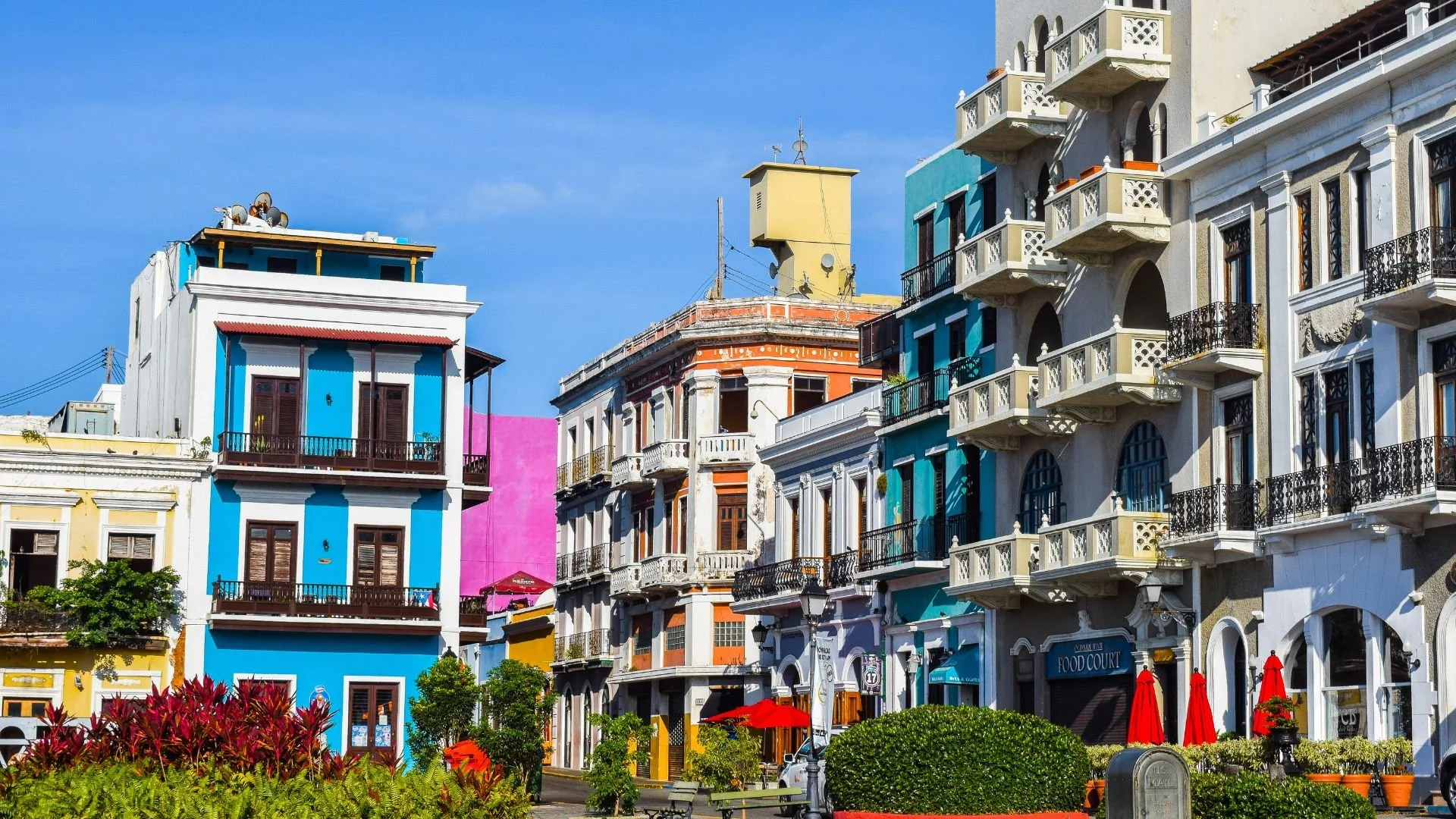


When researchers talk about “spatialized racial inequality,” they are describing how race and geography overlap. Certain communities consistently receive less investment, fewer resources, and more negative labeling. Loíza becomes an example of how that plays out. Infrastructure gaps limited economic opportunities, and public perception all reinforce each other. Over time, those conditions become normalized. People begin to see them as just the way things are, rather than the result of policy and history. But inequality rarely appears randomly. It follows lines that can be traced.
The Origins of the “We’re All Mixed” Narrative
The idea that Puerto Rico is a harmonious blend of cultures is not entirely false, but it is incomplete. The ideology of mestizaje—the idea of racial mixing as identity—was promoted at an institutional level. Scholars have shown that this was not just cultural pride, but also political strategy. By emphasizing mixture, the state could downplay or deny the existence of anti-Blackness. If everyone is mixed, then no one group can claim discrimination. That framing makes it harder to name inequality when it appears. It shifts the conversation away from race, even when race is clearly part of the outcome.
When Identity Becomes a Silencing Tool
For Afro-Puerto Ricans, this narrative can create a double burden. On one hand, their cultural contributions are celebrated as part of the island’s identity. On the other, their lived experiences with discrimination are often minimized. When someone points out anti-Blackness, they may be told it does not exist. That response is not neutral. It silences the conversation before it can begin. It turns a structural issue into something that is dismissed as perception. Over time, that dismissal becomes its own form of erasure.
Erasure in History and in Self-Perception
Erasure does not only happen in textbooks. It also happens in how people see themselves. Afro-Boricuas have often been underrepresented in official histories, where African heritage is acknowledged but not centered. At the same time, social messaging can discourage people from fully identifying with Blackness. When identity is blurred in that way, it becomes harder to organize around shared experience. It also makes inequality less visible. Because if the category itself is unclear, the pattern is easier to overlook.
The Persistence of Structural Patterns
Even as Puerto Rico has changed over time, certain patterns remain. Economic disparities, access to resources, and public investment still vary across regions. Communities with stronger Afro-descendant identity often continue to face greater challenges. This does not mean every outcome is determined by race alone. But it does mean race is part of the structure. Ignoring that connection does not remove it. It only makes it harder to address.
Why Naming the Issue Matters
There is power in naming what is happening. When people describe inequality as structural rather than individual, it changes the conversation. It moves away from blame and toward understanding. It allows for solutions that address systems instead of symptoms. But naming requires space to speak honestly. It requires moving beyond narratives that are comforting but incomplete. And it requires listening to those who experience the pattern directly.
Moving Toward a More Complete Understanding
Recognizing these dynamics does not mean rejecting Puerto Rico’s cultural identity. It means expanding it. It means acknowledging that mixture and inequality can exist at the same time. It means understanding that history shapes the present in ways that are not always visible at first glance. That awareness creates the possibility for change. Without it, patterns continue without being challenged.
Summary and Conclusion
The belief that “we’re all mixed” in Puerto Rico has often been used to suggest that racism does not exist. But places like Loíza reveal patterns of inequality that tell a more complex story. The concept of spatialized racial inequality shows how race and geography intersect to shape outcomes. The promotion of mestizaje helped build a shared identity, but it also contributed to the silencing of anti-Blackness. Afro-Puerto Ricans have faced both cultural inclusion and structural marginalization. Understanding this history allows for a more honest conversation about the present. In the end, acknowledging the full picture is not about division, it is about clarity, and clarity is what makes meaningful change possible.