The Moment Everyone Knows—and What We Missed
There are stories we all grow up hearing, and they come to us polished, simplified, and easy to remember. We know Rosa Parks and the bus boycott. We know the image, the courage, the refusal to move. That moment becomes the engine of the story. But what often gets left out is what made that moment move forward. History has a way of spotlighting the visible act while leaving the structural work in the shadows. That is where your analogy hits hard. The car looks powerful, but without oil, it does not move. And for many of these movements, the “oil” was legal strategy. That is where Fred Gray comes in, and why his name matters.
A Young Lawyer With a Clear Mission


4
Before the world knew his name, Fred Gray already knew his purpose. In his early twenties, opening a law practice in Montgomery, Alabama, he made a decision that would shape history. He committed himself to dismantling segregation through the law. That was not just ambition, it was strategy. At a time when legal resources for Black communities were scarce, he positioned himself as both advocate and architect. He understood that protests alone could expose injustice, but they could not dismantle it. The system had to be challenged where it held power. That meant the courts. And he was willing to step into that fight early.
Before Rosa Parks: Claudette Colvin


4
Six months before Rosa Parks, there was Claudette Colvin. A 15-year-old girl who refused to give up her seat and was arrested. Fred Gray took her case. That matters, because it shows this was not a single moment, it was a pattern. He was already testing the system, already pushing boundaries. Colvin’s case did not become the national symbol, but it became part of the legal groundwork. Gray was learning how the system responded, where it resisted, and where it could be challenged. He was not waiting for history to happen. He was preparing for it.
From Protest to Law: Browder v. Gayle


4
While the world watched the Montgomery Bus Boycott, Fred Gray was focused on something deeper. He understood that local courts could stall or bury the issue. So he shifted the battlefield. He helped build a federal case, Browder v. Gayle, bringing together multiple plaintiffs who had experienced the same injustice. This was not about one person, it was about proving a system was unconstitutional. That case moved through the courts until it reached a decisive ruling. Segregation on public buses was declared unconstitutional. That is the moment where protest became policy. The boycott created pressure, but the law created change.
Standing Beside Martin Luther King Jr.


4
After Montgomery, Gray did not step back. He became a key legal figure alongside Martin Luther King Jr.. When King faced legal challenges, Gray was there. He helped secure acquittals that allowed leadership to continue. That role is often overlooked, but it was critical. Movements need voices, but they also need protection. Gray provided that protection in courtrooms where the stakes were high. He was not on the microphone, but he was in the fight. And without that legal defense, the movement could have been slowed or stopped.
Expanding the Fight: Voting Rights and Education


4
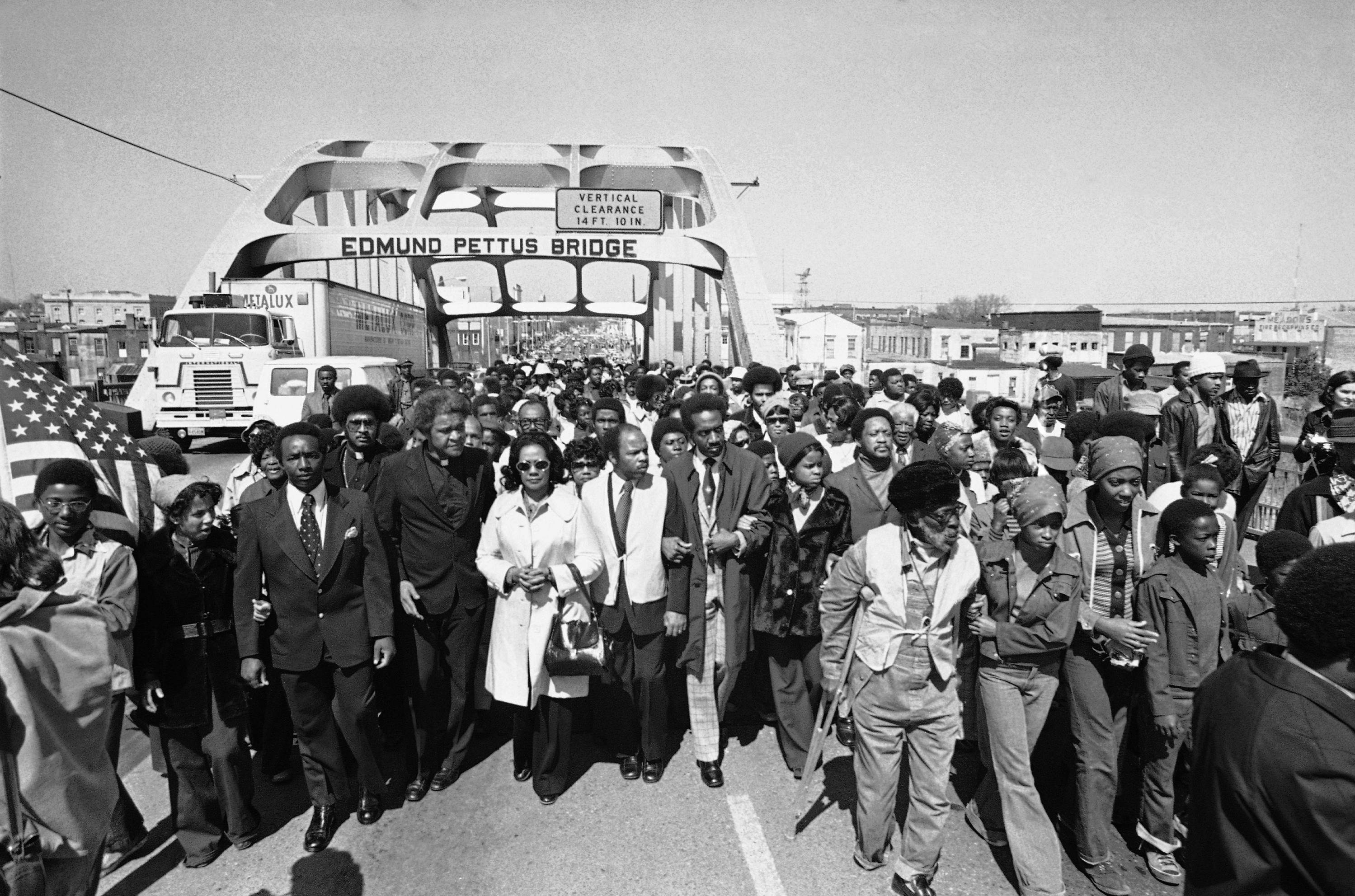
Gray’s work expanded beyond buses and boycotts. He challenged voter suppression, including cases where districts were redrawn to exclude Black voters. He stood behind students demanding access to education. He helped secure legal protections for the Selma marches, which played a role in advancing the Voting Rights Act. Each case attacked a different part of the system. Housing, voting, education, public access—he was working across all of it. This was not isolated activism. It was coordinated legal pressure applied to multiple points of injustice. That is how systems begin to shift.
Justice for the Tuskegee Syphilis Study Victims


4
One of the most painful chapters in American history is the Tuskegee Syphilis Study. Hundreds of Black men were misled and denied proper treatment. Fred Gray represented them. He took on the federal government and secured a settlement. That was not just a legal victory, it was an acknowledgment of harm. It forced the country to confront a truth it had ignored. And it showed that his work extended beyond civil rights into human rights. He was not just fighting segregation. He was fighting systemic injustice in all its forms.
The Quiet Power of Consistent Work
What stands out about Gray is not just what he did, but how consistently he did it. Case after case, decade after decade, he kept applying pressure. He did not chase recognition. He stayed focused on results. That kind of work does not always make headlines. It builds quietly, over time, until the impact becomes undeniable. He understood that change is not a single moment. It is a series of decisions, actions, and victories that accumulate. That is what your analogy captures. The movement may be the car, but without that steady, necessary work underneath, it does not move.
Summary and Conclusion
The story of the Civil Rights Movement is often told through powerful moments and visible leaders, but those moments were sustained by people like Fred Gray. From representing Claudette Colvin to building Browder v. Gayle, from defending Martin Luther King Jr. to seeking justice in the Tuskegee Syphilis Study, his work shaped the legal foundation of change. He turned protest into policy and moments into law. While others stood in front of cameras, he stood in courtrooms. And without that work, many of the victories we celebrate would not have held. His legacy reminds us that real change requires both visibility and structure. The story does not move on its own. Someone has to make it move. And in this case, that someone was Fred Gray.