Moving Beyond the Old Crunch Mentality
For a long time, the message around toning our midsection was simple and rigid: get on the floor and do sit-ups. Many of us followed that advice even when it left our necks sore, our lower backs tight, or our hips feeling locked up afterward. We pushed through discomfort because we were told that discomfort meant progress, and progress meant flatter abs. What often got ignored was how our bodies actually felt during and after those workouts. Over time, people started to notice that despite all the crunches, the results didn’t always match the effort. Even worse, some people developed pain patterns that made them dread exercise altogether. That dread alone is enough to derail consistency, which matters more than any single movement. The truth is, the body isn’t built to be trained in isolation the way those old routines suggested. Our core is not just one muscle that responds to repetition; it’s a coordinated system designed to support everything we do.


Moving Beyond the Old Crunch Mentality
For a long time, the message around toning our midsection was simple and rigid: get on the floor and do sit-ups. Many of us followed that advice even when it left our necks sore, our lower backs tight, or our hips feeling locked up afterward. We pushed through discomfort because we were told that discomfort meant progress, and progress meant flatter abs. What often got ignored was how our bodies actually felt during and after those workouts. Over time, people started to notice that despite all the crunches, the results didn’t always match the effort. Even worse, some people developed pain patterns that made them dread exercise altogether. That dread alone is enough to derail consistency, which matters more than any single movement. The truth is, the body isn’t built to be trained in isolation the way those old routines suggested. Our core is not just one muscle that responds to repetition; it’s a coordinated system designed to support everything we do.
Understanding the Core as a Whole System
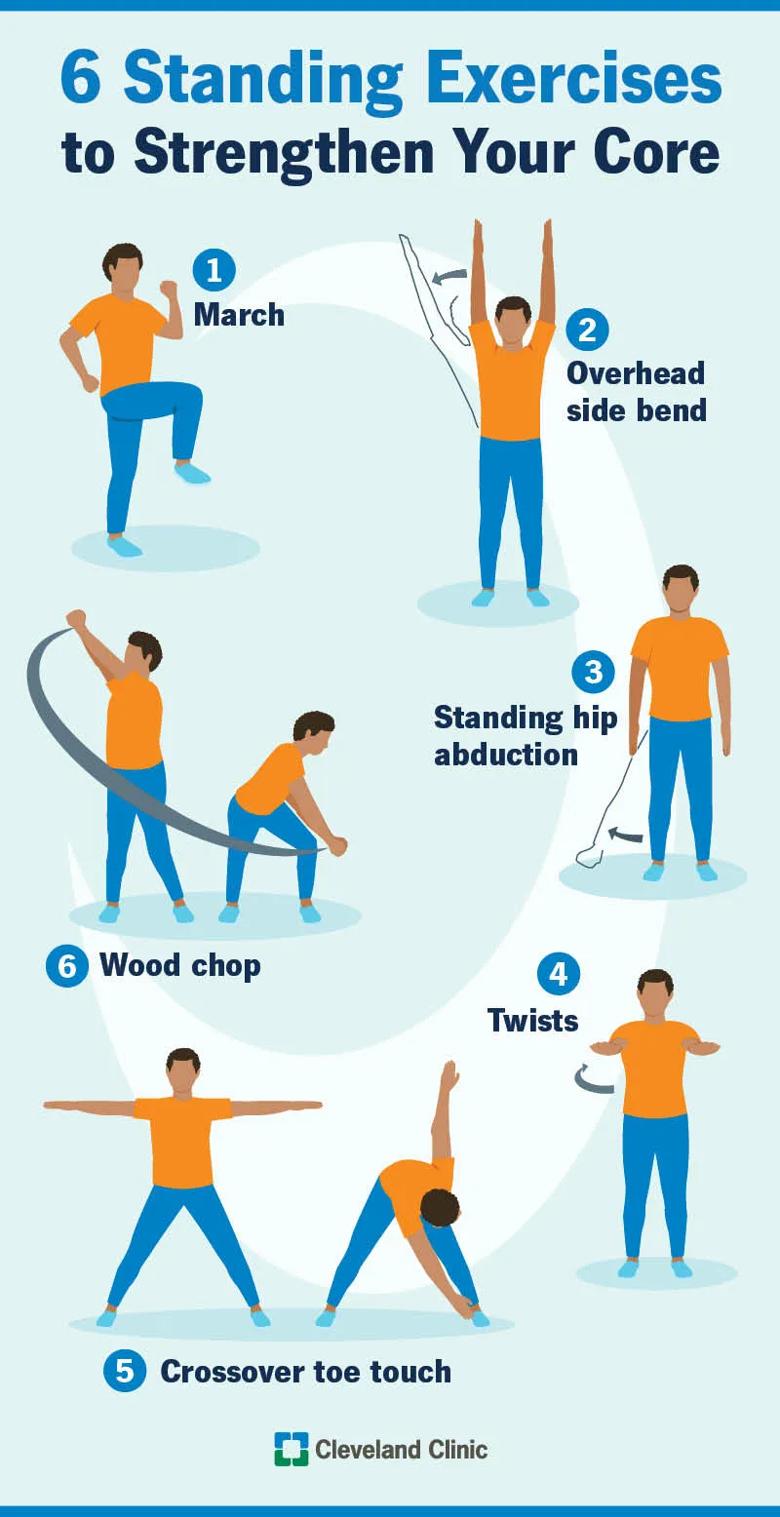
Modern movement science has shifted the conversation in a healthier direction. Experts now understand the core as a full network that includes the deep abdominal muscles, the obliques, the lower back, the diaphragm, and even the pelvic floor. These muscles work together all day long when we stand, walk, breathe, and reach. When we train them together, instead of singling one part out, the body responds more naturally and more efficiently. Standing and seated movements encourage this full engagement because they mirror real life. They ask the body to stabilize itself while staying upright, which is exactly what the core is meant to do. This kind of training also respects balance and posture, instead of forcing the spine into repeated flexion. Over time, the midsection firms up not because it’s being punished, but because it’s being used correctly. Strength grows quietly and steadily, without the wear and tear that comes from forcing movements that don’t feel right.
Feeling Supported Instead of Strained
One of the most important shifts in this approach is how it feels. When the body feels supported, it relaxes into the work instead of bracing against it. That relaxed engagement allows muscles to activate more fully and more evenly. People often notice improved posture before they notice visual changes, and that’s a good sign. Standing taller and moving with more control means the core is doing its job behind the scenes. Pelvic stability improves, which can reduce lower back discomfort and even ease tension in the hips. Breathing also becomes smoother because the diaphragm is working in harmony with the abdominal wall. These changes don’t happen overnight, but they build on each other in a sustainable way. Instead of dreading workouts, people begin to trust them. That trust makes consistency easier, and consistency is where real change lives.
A Kinder Way to Build Real Strength
This more holistic approach to toning the midsection is not about taking shortcuts or avoiding effort. It’s about choosing smarter effort that works with the body instead of against it. When exercise feels aligned with how the body is designed to move, it becomes something we can return to again and again. The results may show up in the mirror, but they also show up in daily life. Carrying groceries feels easier, standing for longer periods feels more comfortable, and movement feels more confident overall. There is less obsession with forcing a flat stomach and more appreciation for functional strength. That shift alone can change how we relate to our bodies. Fitness stops being a punishment and starts becoming a form of care. And that mindset is often what keeps people moving long term.
Summary
Toning the midsection does not require endless sit-ups or pushing through pain. The core works best when trained as a complete system, not as a single muscle under constant strain. Standing and seated exercises encourage natural engagement, better posture, and real-world strength. This approach reduces unnecessary stress on the neck, back, and hips while still delivering visible and functional results. Over time, the body becomes stronger, steadier, and more comfortable in motion. Just as important, exercise becomes something that feels supportive rather than exhausting. That feeling makes consistency possible, and consistency is the real key to lasting change.
Conclusion
There is no single “right” way to work out, especially when it comes to the core. What matters most is finding movements that respect your body and make you feel strong instead of strained. A holistic approach to core training honors how the body is built and how it wants to move. It builds strength quietly, improves posture naturally, and supports the body in everyday life. When fitness feels kind and sustainable, it stops being a chore and starts becoming a habit. And that habit, over time, creates a midsection that is not only toned, but truly strong and dependable.